Everything About DTF Printing: The New Standard in Textile Printing
In the dynamic world of textile printing, developments never stand still. Where your choice used to be limited to traditional screen printing or simple flex foil, today we embrace the latest technologies. The technique currently conquering the market and playing a central role in our production is DTF printing, or Direct to Film.
But what exactly does this technique entail? How do we apply it and, more importantly, what does this mean for the quality of your clothing? In this article, we break down the entire process.
What is DTF printing (Direct to Film)?
DTF stands for an innovative process where a design is not printed directly onto the fabric, but first onto a special, transparent film. It is a technique that combines the durability of ink with the flexibility of digital prints.
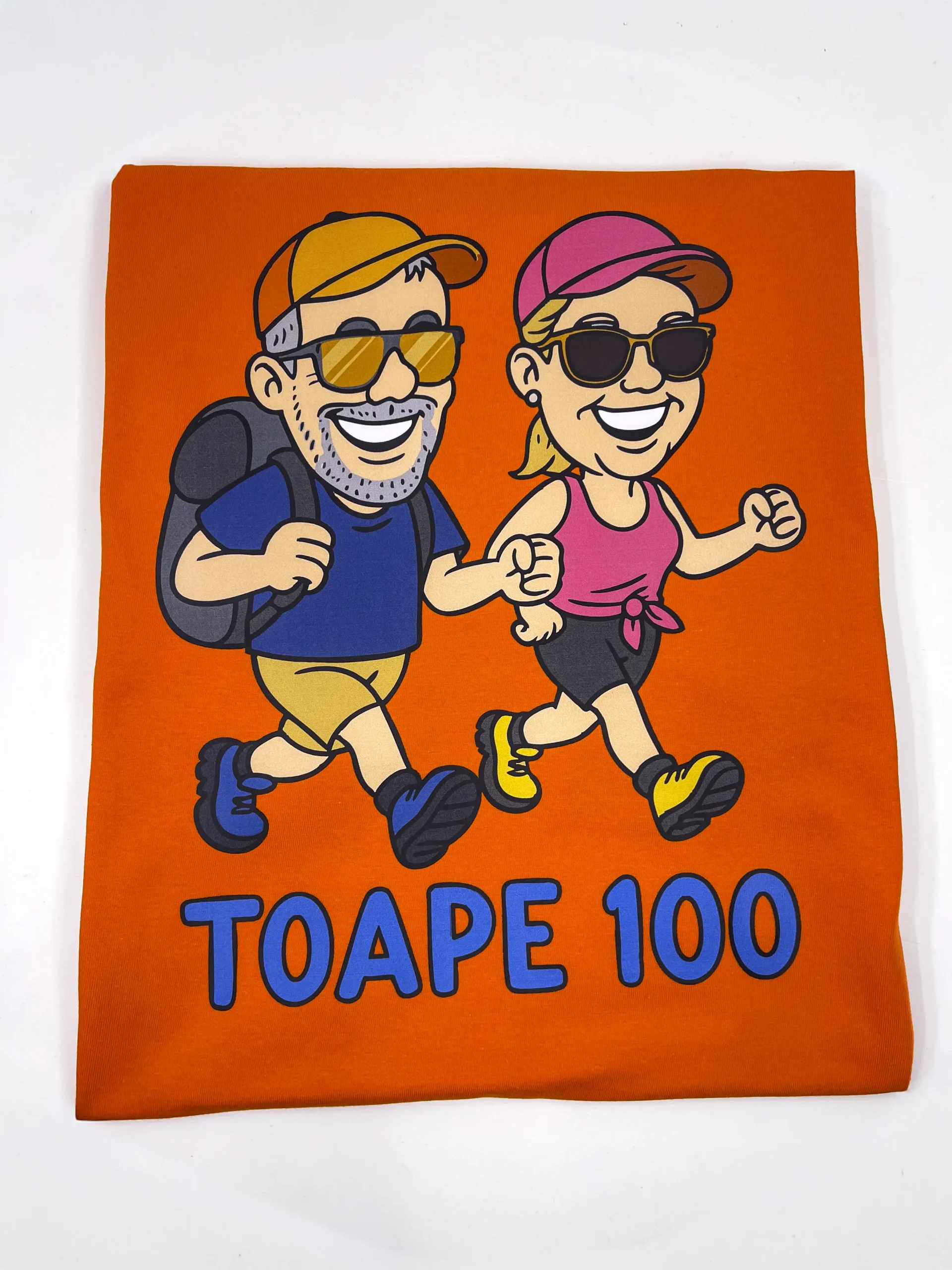
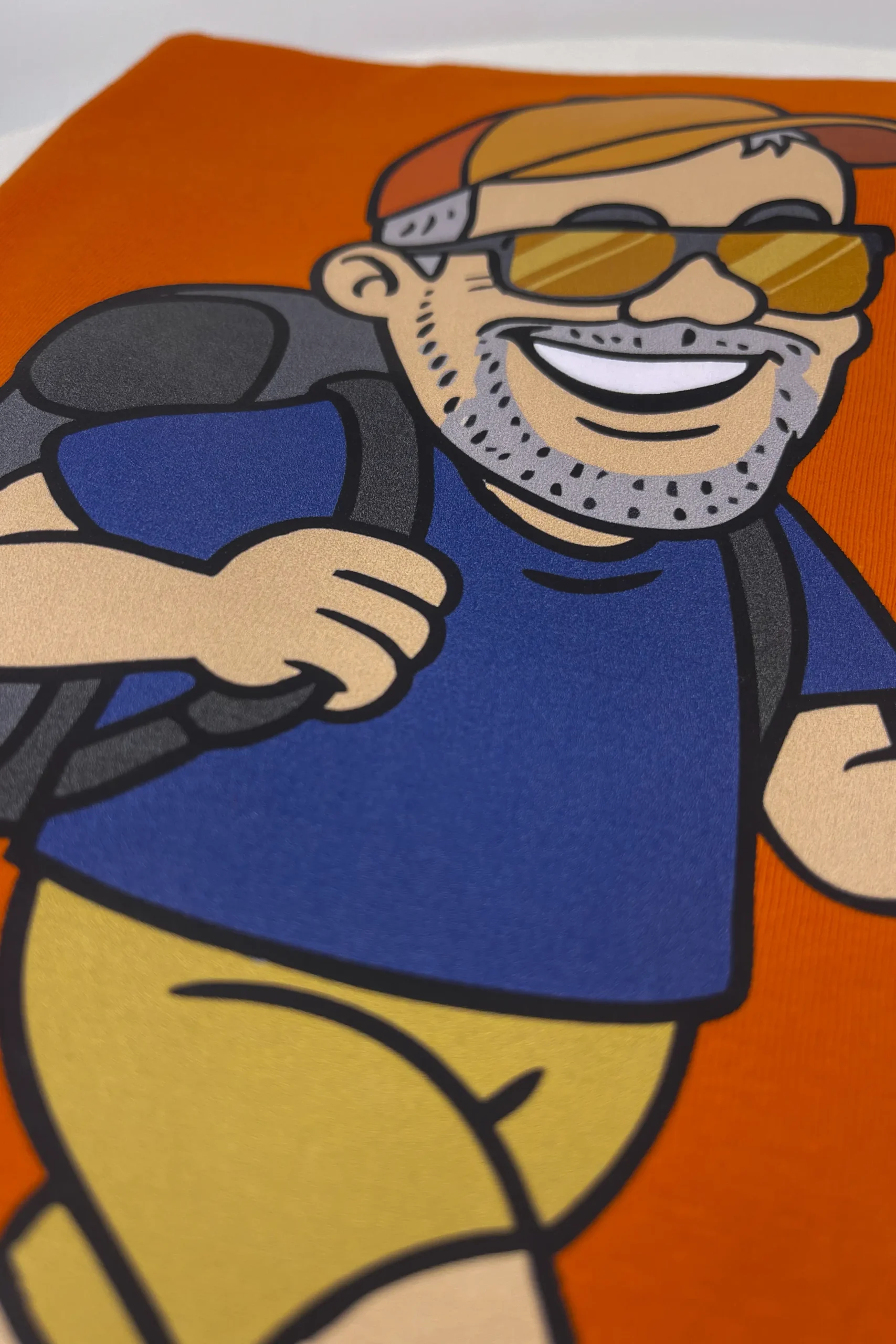
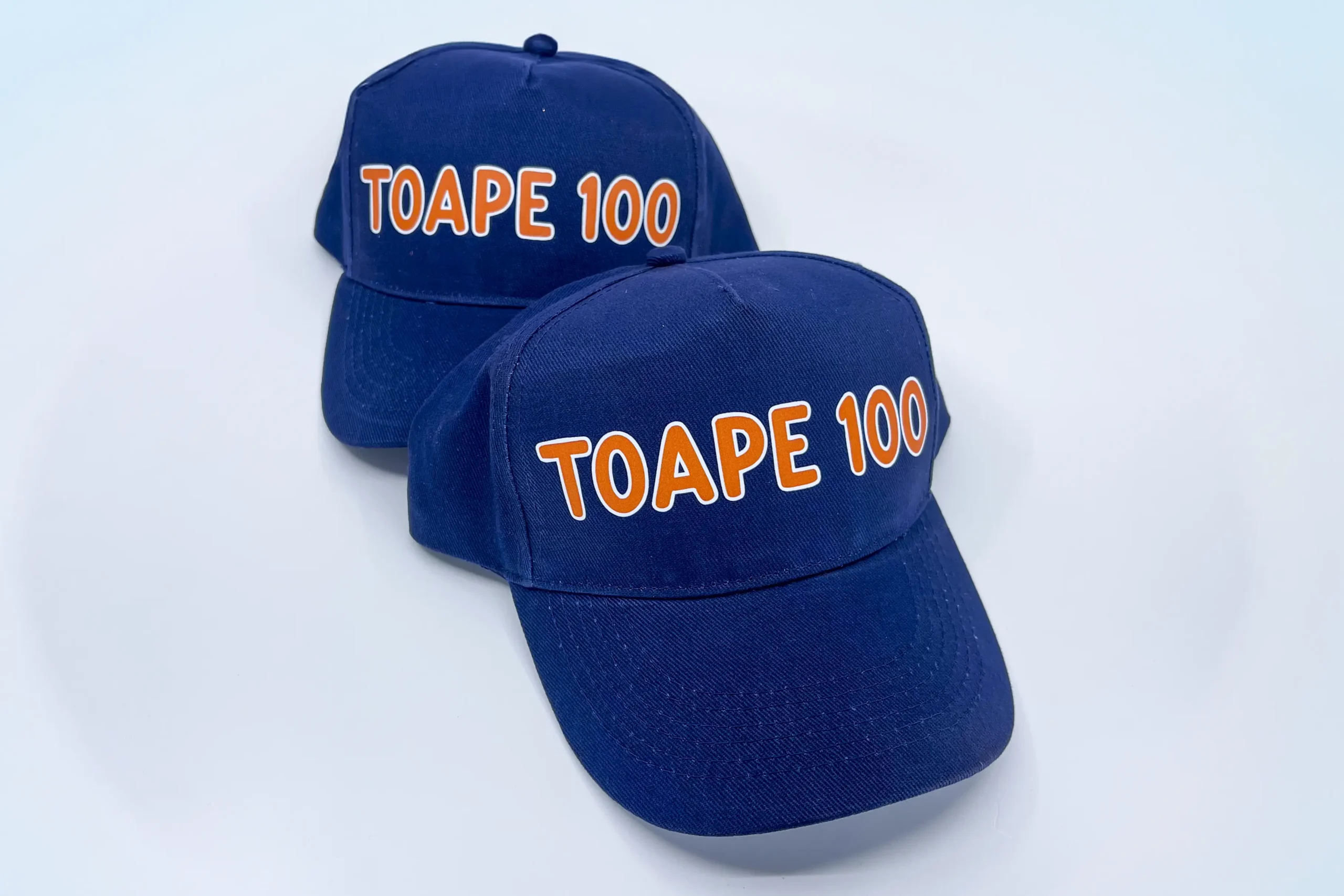
The result? We can achieve complex designs with vibrant colors on virtually any type of textile. And that without the limitations that older techniques often entail.
How do we apply DTF printing? From transfer to textile
The strength of our process lies in precise processing. We work with high-quality DTF films (transfers) that we apply to your clothing with the utmost care. This ensures perfect adhesion and a durable result.
1. Preparation and positioning
The process begins with precisely positioning the DTF film onto the textile. Whether it involves a chest logo, a large design on the back, or a detail on the sleeve; we ensure that the print is exactly straight and in the right spot.
2. Het transfereren (Heat Press)
Next, we use our industrial heat presses. This is the crucial step in DTF printing. Under a specific combination of high pressure and the right temperature, the transfer is pressed onto the textile. The heat melts the special adhesive layer on the back of the film, causing the ink to anchor deep into the fibers of the fabric. This ensures that the print doesn't just ‘sit’ on the fabric, but truly becomes one with it.
3. The ‘Peel’ and the final result
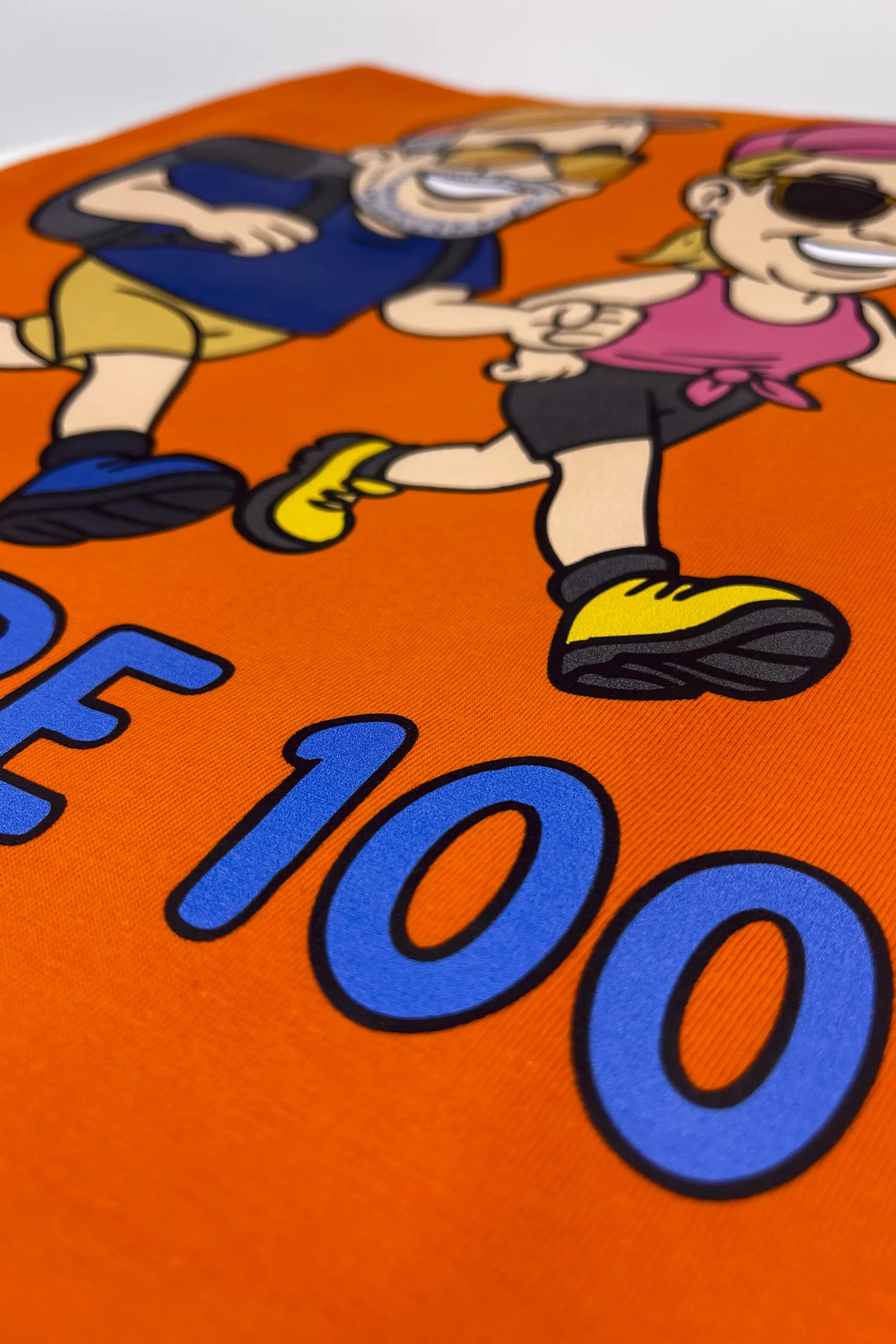
Once the textile comes out of the press, we let it cool briefly (depending on the type of film). Next, we carefully remove the carrier film. What remains is a razor-sharp, flexible print with vibrant colors that can withstand many washes.
Feeling inspired or have a question?
Feel free to send us a message.
We are here for you!
The benefits of DTF printing
The disadvantages of DTF printing
Why are more and more customers choosing this method? The benefits are clear:
- Unprecedented level of detail: Unlike flex foil, there is no need for weeding with DTF. This allows us to effortlessly print even the smallest details, fine lines, and ‘floating’ parts.
Vibrant colors: Thanks to the white underlayer, the colors pop off the textile, regardless of the color of the clothing.
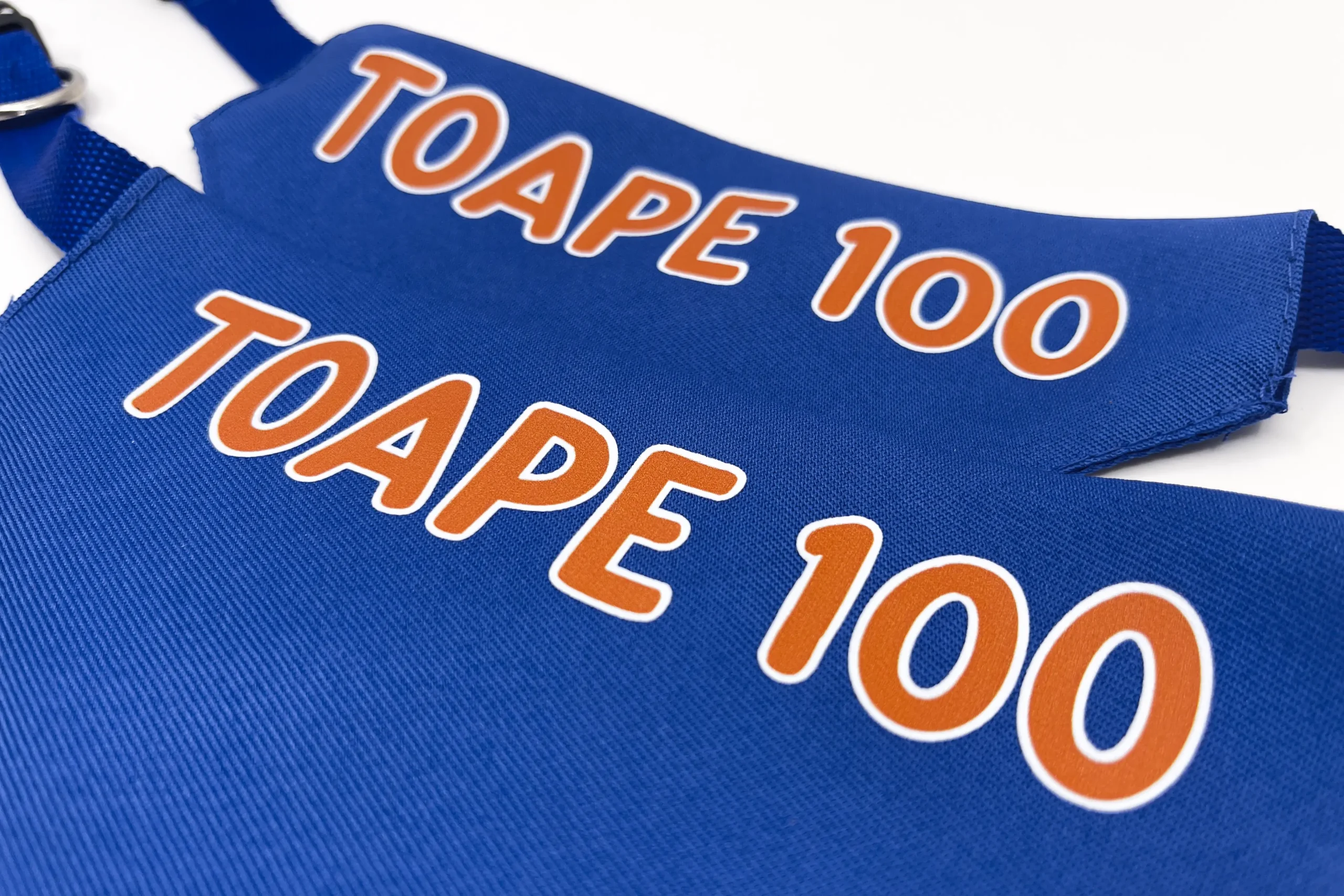
Enormous versatility: Where some techniques struggle with materials like polyester or nylon, the DTF method adheres excellently to various fabrics, including sportswear, workwear, and cotton.
Flexible and thin: The print feels more flexible and thinner than traditional transfers.
- Durable and wash-resistant: Because the ink is elastic and moves with the fabric, the print will not tear or crack. Even after many washes, the print remains crisp and beautiful.
- Cost-efficient: Whether your design consists of one color or a complete photo, the price remains the same. We only charge setup costs once, which makes this technique, especially for multi-colored designs, much more affordable than traditional methods.
We prioritize transparency. Although DTF printing is a fantastic technique, there are some design considerations:
- With very large, solid areas (such as a fully filled circle on the back) the print may feel slightly less breathable than ink that absorbs directly into the fabric (like with screen printing).
Our tip: We often advise leaving “open spaces” in the design. This not only ensures a nicer visual effect, but also optimal wearing comfort.
Ready to print your clothing?
Are you looking for corporate clothing, merchandise, or top-quality promotional textiles? With DTF printing, we guarantee a durable and colorful result.
Feeling inspired or need advice on your design?
Feel free to send us a message! Our team is here for you!